
Our Services
Pitch Decks
Show the pitch to investors and get desired level of funding to grow your business.
How will we establish your pitch to get your funding?
Compelling Introduction
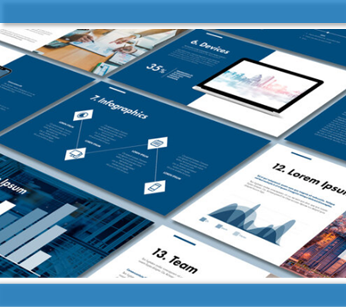
Our pitch decks include a unique and tailored compelling narrative which clearly defines your business idea and the value you are providing to the environment, enhancing your growth potential.
This will be an introduction to your business or project. It gives a brief overview of what your venture is all about and captures the attention of the audience right from the start.
The pitch deck then moves on to identifying the problem or opportunity
that your business or project aims to address. It highlights the pain points or challenges that exist in the market or industry and explains why it is crucial to find a solution.
In this section, the pitch deck establishes the context for the proposed
solution. It provides background information about the market, industry, or specific circumstances that contribute to the problem statement.
We will set the stage for the rest of the presentation which outlines the key objectives, goals, or outcomes that your business aims to achieve. By clearly defining the desired outcomes, the pitch deck helps the audience understand the purpose and direction of the
business or project.
Finally, your pitch provides an overview of the proposed
solution to the identified problem or opportunity. It may highlight the unique features, benefits, or competitive advantages of the solution.
We will provide a general overview of the target market. It
includes information about the industry, its size, and its growth potential. Which aims to give the audience a high-level understanding of the market and its attractiveness.
Then we dive deeper into the market analysis by providing specific
data and figures regarding the market’s size and potential highlighting the revenue potential and growth projections, demonstrating the market’s viability and opportunities for your business.
Here we will focus on identifying and analyzing the key trends and
insights within the target market. Important factors such as consumer behavior,
emerging technologies, regulatory changes, or market dynamics that are relevant to your business. This analysis helps the audience understand the current and future
landscape of the market.
In this section, your pitch will explore the competitive landscape of the market. It identifies and analyzes the main competitors, their strengths and weaknesses, and
their market positions. This aims to showcase how your business differentiates itself from competitors and positions itself for success.
Then we will finalize how your business fits within the larger
industry landscape. Highlighting the unique value proposition and demonstrates why there is a need for the offering in the market.
Market Analysis
Your pitch will include a comprehensive market analysis that demonstrates a deep understanding of the target market, its size, growth potential, and key trends. This section highlights the market’s attractiveness and explains how the business or project fits within the larger industry
landscape.
Business Model
This describes how the company generates revenue and sustains profitability highlighting the revenue streams, cost structure, pricing strategy, and distribution channels.
Your pitch will provide a brief overview of the business model and explains the fundamental approach that the company uses to generate revenue and achieve profitability.
Then we will focus on describing the various revenue streams of the
business. Identifying the different sources of income and explains how the company generates revenue from its products, services, or other offerings.
Then we delve into the cost structure of your business. Outlining the different types of costs involved in running the company, such as production costs, operational expenses, marketing costs, and overheads.
Here we will describe how the products or services are priced and why that pricing approach is chosen. This section may highlight factors such as market competition, value proposition, cost considerations, or customer preferences that influence the pricing decisions. It aims to show how the company maximizes revenue while remaining competitive.
The final section of the business model focuses on the distribution channels utilized by the company. It explains how the products or services reach the target customers and the various channels employed, such as direct sales, e-commerce platforms, retail partnerships, or distribution networks.
Your pitch will provide an overview of the financial projections. It explains the purpose of including financial projections in the pitch deck and their significance in demonstrating the growth potential and profitability of the business.
The pitch focuses on presenting revenue forecasts in this section. It outlines the expected revenue generation over a specific period, usually based on market research, historical data, or sales projections.
This section helps investors understand the revenue-generating potential of the business and its ability to capture market share.
In this section, the pitch presents expense projections. Outlining the anticipated costs and expenditures involved in running the business, such as production costs, marketing expenses, salaries, rent, and other operating costs.
We will highlight gross margins in this section. Explaining the
profitability of the business by calculating the percentage difference between revenue and the direct costs associated with producing the goods or services.
The final section of the financial projections will focus on expected profitability and returns. It provides an overview of the projected net profit, which considers both revenue and expenses.
This section may also include metrics such as return on investment (ROI) or payback period to give investors an understanding of the potential financial returns and the timeframe for achieving them.
Financials
Financials that demonstrate the growth potential and profitability of the business with key financial metrics, such as revenue forecasts, expense projections, gross margins, and expected profitability.
Call to Action
Pitch decks conclude with a compelling call to action, inviting the audience to engage in further discussions, invest, or partner with the business. This section motivates the audience to take the desired next steps and express interest in the opportunity presented.
Pitch decks serve as persuasive communication tools that condense the essence of your business into a visually engaging and concise presentation.
Call to action serves as the culmination of the presentation and is crucial in
motivating the audience to take the desired next steps.
It encourages the audience to engage in dialogue and explore opportunities for collaboration, partnerships, or additional information. This aims to create an open and interactive environment where the audience feels encouraged to reach out and continue the conversation.
In this section, your pitch will specifically address potential investors. It
emphasizes the opportunity for investment and encourages the audience to consider investing in your business.
Here your pitch may highlight the option of seeking partnerships by inviting potential partners, such as other businesses or organizations, to join forces and leverage each other’s strengths. This section emphasizes the benefits of collaboration and presents the pitch deck as an opportunity for mutually beneficial partnerships.
The final section of the call to action focuses on encouraging the audience to show their enthusiasm for the opportunity presented in your pitch, whether it be through expressing their interest, providing feedback, or offering support in various
forms.
This section aims to create a sense of engagement and commitment from the audience.